How a Pizza Restaurant Creates a Warm and Welcoming Space


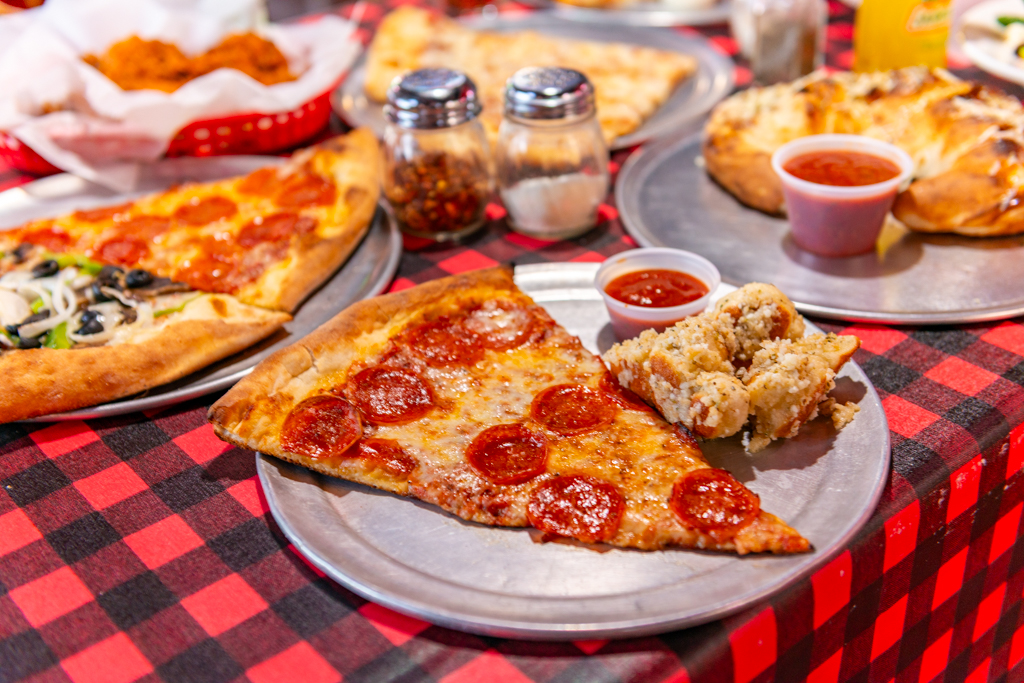
A memorable pizza restaurant does more than serve good food. It creates a feeling people recognize almost at once, often before they have taken their first bite. Guests walk in from the street, pause for a second, and decide whether they want to stay. That judgment happens quickly. The room either softens them or it does not.
Owners sometimes assume that warmth comes from decor alone, a brick wall here, a few pendant lights there, maybe a vintage sign near the register. In practice, guests read a space with all their senses at once. They notice the temperature near the door, the smell of dough in the oven, the noise level at six-thirty, how the host greets them, whether families feel comfortable with strollers, whether a solo diner can eat without feeling exposed. A welcoming room is built from many small decisions that work together.
Pizza makes this challenge especially interesting because it carries its own expectations. People often associate pizza with ease, generosity, and shared pleasure. It is one of the few meals that suits a weeknight dinner, a date, a children’s celebration, a post-game gathering, and a quick solo lunch. A pizza restaurant has to hold all of those uses without becoming chaotic or impersonal. The best ones manage that balance with care.
Warmth starts before the front door
People begin forming impressions outside. The exterior does not need to be expensive, but it does need to signal life. Clean windows matter more than flashy signage. So does a visible sense of activity. If passersby can glimpse the oven glow, a cook stretching dough, or a few tables with relaxed guests, the restaurant feels inhabited rather than staged.
Entryways deserve more thought than they usually get. A cramped doorway, poor lighting, or an awkward queue can make a place feel stressful before service even begins. In colder climates, a draft at the door can cool the whole front dining room and leave first tables uncomfortable. In warmer regions, a blast of heat when the door opens can be just as unpleasant. Small architectural fixes, like a second interior door, a vestibule, or even a carefully placed partition, can noticeably improve the welcome.
Signage also plays a role in tone. Clear hours, a readable menu posted outside, and simple pickup instructions all reduce friction. Guests should not have to guess whether they seat themselves, wait to be greeted, or order at the counter. Confusion rarely feels charming. It makes people self-conscious, and self-conscious guests do not relax easily.
The room should feel alive, not crowded
There is a difference between energy and noise, and good operators learn it quickly. A pizza restaurant often fills with groups, children, and constant movement from the kitchen. Some buzz is healthy. Silence can make a casual dining room feel stiff. But once sound bounces too hard off tile, glass, and bare walls, conversation becomes work.
Acoustics are one of the least glamorous and most important parts of hospitality design. Soft materials help, but they need not make the space look heavy. Upholstered banquettes, curtains near street-facing windows, acoustic panels disguised as art, even the strategic use of wood can keep a room from turning harsh. Music should support the space, not compete with it. If guests lean forward and repeat themselves, the soundtrack is too loud.
Table spacing sends a message too. Cramming in extra two-tops might improve revenue on paper, but it often costs more than it earns. Guests notice when chairs scrape against each other or servers have to twist sideways with hot plates. Families notice when there is nowhere to tuck a stroller. Older diners notice when they cannot sit down comfortably without bumping the next table. A welcoming pizza restaurant allows movement. It gives people room to settle.
This does not mean every table must feel isolated. Pizza is social food. A little closeness can actually help create warmth, especially in smaller neighborhood places. The trade-off lies in preserving privacy without draining the room of life. Banquettes along one wall, a communal table for walk-ins, and a mix of booth and standard seating often solve several needs at once.
Light shapes the mood more than people realize
Lighting mistakes are common because they tend to reveal themselves only when service begins. A room can look beautiful at two in the afternoon and feel cold at seven. Bright overhead lights flatten faces, bleach wood tones, and make guests feel observed. Lighting that is too dim causes a different problem. People cannot read the menu, parents struggle to cut a child’s slice, and servers appear shadowy rather than attentive.
Warmth usually comes from layers. Ambient light creates the base mood. Task light helps guests read and staff work safely. Accent light draws attention to the oven, the bar, shelves of olive oil bottles, or a wall with family photographs. When those layers are balanced, the room feels natural.
The wood-fired oven, if the restaurant has one, can become more than a piece of equipment. It can act as a visual center. Fire attracts people instinctively. Even a gas deck oven, if partially visible, gives the dining room a sense of craft and immediacy. Guests enjoy seeing where the food comes from. It turns waiting into anticipation rather than delay.
Natural light deserves respect too. Lunch service in a pizza restaurant can be underappreciated, but a bright room with a good midday atmosphere builds loyal regulars. Office workers, parents after school drop-off, freelancers, and retirees all respond to spaces that feel open and easy during the day. A restaurant that can shift gracefully from daylight to evening has a major advantage.
Smell is part of the invitation
Few foods market themselves as effectively as pizza. Fresh dough, tomatoes hitting heat, basil, garlic, charred crust, melting cheese, toasted flour, these scents do a great deal of persuasive work. But there is a thin line between an appetizing aroma and a greasy, stale smell that clings to clothing. Ventilation determines which side of that line a restaurant lives on.
Good ventilation is not just a back-of-house concern. Guests may not know why a room feels comfortable, but they know when it does not. If smoke lingers in the wrong way, if fryer odor dominates, or if the space smells tired before dinner begins, the restaurant loses some of the freshness it wants to communicate. A warm and welcoming pizza restaurant should smell like dinner being made now, not like service from yesterday.
Open kitchens can strengthen this effect when handled well. Watching pizzas topped, launched, turned, and sliced adds theater. It also reassures guests. They see movement, attention, and product quality in real time. Still, visibility raises the standard for cleanliness. Flour on the bench can look artisanal at one moment and messy an hour later. The distinction is sharp.
Hospitality lives in the first thirty seconds
Design can set the stage, but people create the actual welcome. In many pizza restaurants, service is deliberately more relaxed than in fine dining. That does not excuse vagueness. Casual should still feel organized. A guest entering the room should be acknowledged quickly, even if every member of the team is busy.
The best greetings are simple, calm, and specific. “Good evening, we’ll be right with you” works because it recognizes the guest and sets an expectation. So does “You’re welcome to grab that booth if you like” when the format is seat yourself. Warmth often comes from clarity rather than charm alone.
Staff behavior influences the whole room. Guests pay attention to how employees speak to one another. A team that communicates with mutual respect creates a sense of steadiness. A team that snaps, blames, or rushes each other transmits tension across the dining room. That is true even when customers cannot hear the exact words. People sense friction.
There is also a practical side to making guests feel at ease. Water should arrive without a long wait. High chairs should not require a scavenger hunt. Takeout drivers should have a designated pickup area so they do not crowd dine-in guests near the host stand. Restrooms should be easy to find and regularly checked. None of this is glamorous. All of it shapes whether the restaurant feels cared for.
Comfort depends on reading who the guest is
A neighborhood pizza restaurant usually serves several types of guests at once. Families with young children often want speed, forgiveness, and room for a bit of noise. Couples may want a corner table and a slower pace. Teenagers coming in after a game want quick service and enough food. Solo diners often appreciate a counter seat, a window bar, or a small table that does not feel like an afterthought.
Welcoming spaces make room for these differences without turning them into categories. Staff can learn to read the situation. A parent managing two tired children probably values efficiency more than a speech about specials. A first-date couple may appreciate being left to settle in before ordering. A regular picking up a pie on Friday night likes being recognized, but not trapped in conversation when parking is double-parked outside.
This is where layout and operations meet. A pizza restaurant with only large tables may struggle with solo guests. One with only tiny tables may frustrate groups. The strongest rooms offer variety while preserving a coherent feel. That might mean booths at the perimeter, flexible center tables, a few counter seats near the oven, and one communal option that serves overflow during busy hours.
The menu contributes to the feeling of welcome
Menus are often discussed in terms of pricing and food cost, but they also communicate hospitality. A menu that is too dense can feel exhausting. One that is too sparse can leave guests anxious about making the wrong choice. Pizza menus work best when they present confidence without showing off.
A good menu gives guests a few clear entry points. There is usually a familiar margherita or plain cheese pie, a pepperoni option done with care, a house specialty that defines the restaurant’s personality, and enough variety for repeat visits. It helps when additions and substitutions are straightforward. Guests feel comfortable when they understand how to order.
This matters especially for groups with mixed preferences. Some pizza restaurants lean heavily into a rigid philosophy and resist all modifications. That can create culinary consistency, but it can also limit the feeling of ease that many people seek. The answer is not to say yes to everything. It is to draw the line intelligently. Maybe the dough cannot be changed, but toppings can. Maybe whole pies remain fixed while slices are more flexible. Guests do not need endless options. They need a system that feels fair and intelligible.
Beverages also play a quiet role in comfort. Sparkling water, decent beer, approachable wine by the glass, and a few nonalcoholic options go a long way. Families appreciate more than sugar-heavy sodas. Adults appreciate not having to overcommit to a bottle. The warmest restaurants make these choices feel natural rather than performative.
Small details carry surprising weight
Many operators chase big renovations while neglecting the smaller touches guests remember. The truth is that welcome often lives in details so ordinary they become invisible when handled well.
Here are five of the ones that matter most:
- Chairs that remain comfortable after forty minutes.
- Tables that do not wobble.
- Restrooms that smell clean and stay stocked.
- Coat hooks or somewhere sensible to place bags.
- Pizza served at the right pace, hot enough to satisfy, not so hot that nobody can eat for ten minutes.
None of these details creates buzz on social media. All of them affect whether guests return.
Timing deserves special attention. Pizza can be deceptively difficult to pace in a busy dining room. If appetizers arrive too late, guests are already hungry and impatient. If the pie lands before drinks, the table feels neglected. If everything arrives at once, the meal becomes a scramble. A warm restaurant has rhythm. Staff know when to slow down and when to move.
A family feel does not happen by accident
People often describe their favorite pizza restaurant as feeling like home, but that atmosphere is usually the result of disciplined habits rather than spontaneity. Familiarity can be https://caidenzfxf128.birchreport.com/posts/what-families-love-most-about-a-pizza-restaurant engineered in the best sense of the word. Regulars are remembered. Children are greeted kindly. A favorite table is held when possible. The team notices when someone has not been in for a while.
These gestures are easier in independent restaurants, but chains can do some of them too. What matters is sincerity and consistency. Forced friendliness backfires. People can tell when a script is being delivered. On the other hand, polished professionalism without warmth can make a pizza restaurant feel transactional, almost like a conveyor belt with table service.
There is also a visual language to family feeling. Local photographs, community flyers handled tastefully, school team posters, or artwork by nearby students can help, but only if the room still feels curated. Clutter rarely reads as warmth. It reads as neglect. The best spaces edit carefully. They show personality without losing order.
Community connection goes beyond decoration. Sponsoring a local team, donating pies for a fundraiser, staying open a little later after major neighborhood events, these actions build goodwill that guests feel when they walk in. A welcoming room is shaped partly by what the restaurant means to the area around it.
The back of house is part of the guest experience
Guests may spend all their time in the dining room, but the kitchen determines much of the emotional tone. A cramped, overheated, poorly organized line creates mistakes that ripple into service. Tickets drag. Staff snap at each other. Orders die in the pass. Guests experience the result as indifference even when the real cause is operational strain.
Pizza kitchens need clean systems. Dough storage, topping access, oven spacing, cut station flow, and pickup coordination all affect speed and consistency. When the back of house works cleanly, the front can stay calm. That calm is part of hospitality.
Training matters here more than flashy equipment. An experienced pizza maker can read fermentation, feel whether the dough needs another hour, and adjust bake time based on the oven’s temperament during a rush. That level of craft supports hospitality because it protects consistency. Guests do not separate atmosphere from food quality. A welcoming room paired with mediocre pizza eventually feels hollow. Great food covers many small service flaws, but it cannot redeem a space that feels fundamentally uncomfortable.
Warmth requires boundaries too
Not every welcoming choice means saying yes. Good hospitality has structure. A pizza restaurant that tries to please every request can burn out staff and create uneven service. Boundaries actually protect the guest experience when they are communicated clearly and enforced politely.
A few examples are common. Reservations may be limited because turnover is unpredictable. Large parties may need a set menu or shared ordering approach. Outside desserts for birthdays might be allowed only with advance notice. Slice service may stop at a certain hour to preserve kitchen flow. These policies are not unwelcoming if the staff explains them with confidence and tact.
The same goes for delivery and takeout. Off-premise business can keep a restaurant strong, but it can also undermine the dining room if not managed carefully. If every other table is interrupted by drivers reaching over seated guests, the room loses its warmth. Separate shelving, a side entrance for pickup, or even designated collection windows can preserve a calmer environment inside.
What guests remember after they leave
People rarely recount every design element of a restaurant. They remember how the place made them feel. They remember whether the host seemed glad they came in. Whether the room smelled like fresh crust. Whether conversation was easy. Whether the pizza landed hot, generous, and worth sharing. Whether the children were tolerated or genuinely welcomed. Whether they left thinking, we should come back next week.
The strongest pizza restaurant spaces build that memory through repetition and restraint. They do not chase every trend. They focus on comfort, rhythm, sensory balance, and human attention. They understand that warmth is not one big gesture. It is a hundred modest choices, made well and made consistently.
For owners, managers, and chefs, that can be good news. A welcoming restaurant does not always require a dramatic budget. It requires judgment. Fix the wobbly tables. Train the greeting. Tune the music. Adjust the lights before service. Protect air quality. Create room for different kinds of guests to belong. Let the smell of baking dough do some of the work, but not all of it.
When those choices line up, a pizza restaurant becomes more than a place to eat. It becomes a room people trust. That trust is the foundation of regular business, positive word of mouth, and the kind of loyalty that survives price changes, bad weather, and crowded weekends. Guests come for pizza. They return for the feeling of being welcome.